

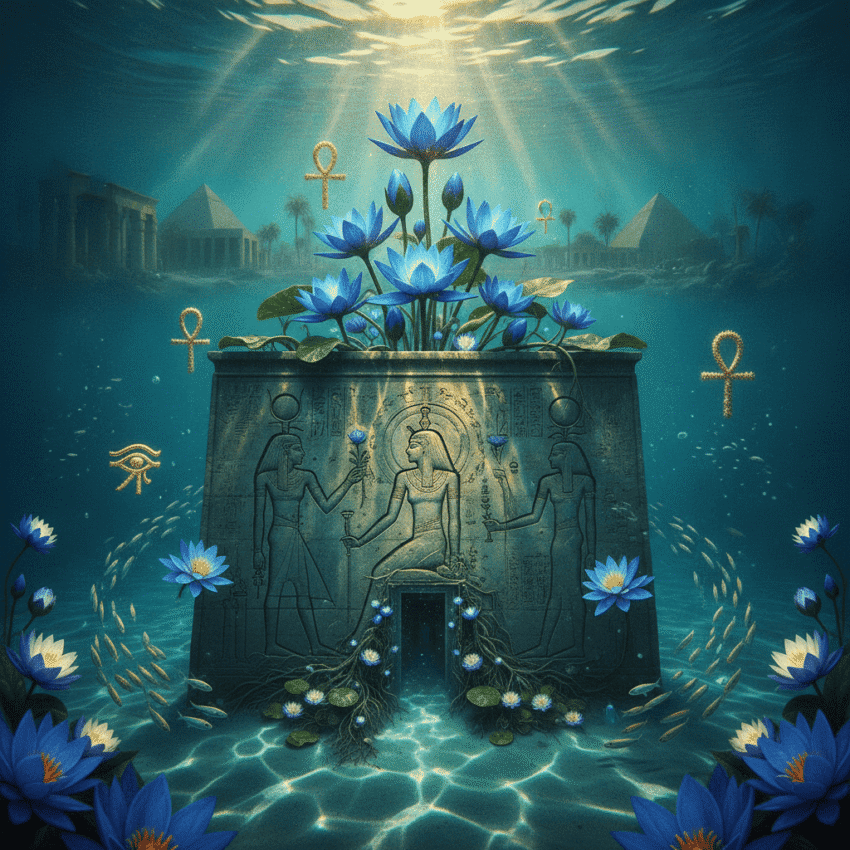
The ancient world held many secrets and symbols, but few are as captivating as the blue lotus of Egypt. I have always found myself drawn to history, especially when it reveals how everyday objects held profound meaning. This stunning flower, known scientifically as Nymphaea caerulea, was far more than just a beautiful bloom floating on the Nile River.
For the Ancient Egyptians, the blue lotus wove itself into the fabric of their daily existence, their spirituality, and their understanding of the cosmos. It was a potent emblem, appearing in art, rituals, and even their concept of the afterlife. We see its image everywhere from temple carvings to tomb paintings.
I want to explore the many layers of significance behind Ancient Egypts Blue Lotus More Than Just a Flower. It is a journey into the heart of a civilization that deeply revered nature and integrated its beauty into their enduring legacy.
The Blue Lotus in Ancient Egyptian Culture and Beliefs
The blue lotus was a fundamental part of Ancient Egyptian culture, deeply embedded in their beliefs about creation and rebirth. I have seen countless images of this flower in museums, always wondering about its true importance. Its striking appearance, opening with the morning sun and closing as darkness fell, mirrored the cycle of life, death, and resurrection so vital to Egyptian thought.
This daily unfolding and retreating made it a powerful symbol. The Egyptians observed these natural rhythms and assigned them spiritual significance. They saw the lotus as a direct representation of the sun’s journey, which was a central element of their cosmology. This connection transcended mere aesthetics, linking the flower to the very essence of existence and the promise of renewal.
Symbolism of Rebirth and Creation
The Egyptians believed the blue lotus played a role in the creation of the world itself. Ancient texts tell stories of a primeval lotus emerging from the waters of chaos, and from its petals, the sun god Ra was born. This narrative establishes the lotus as a cosmic cradle, a source of light and life.
Because of this creation myth, the blue lotus became inseparable from the idea of new beginnings and rebirth. It was often placed on mummies and in tombs, symbolizing the hope of resurrection and an eternal life for the deceased. This practice shows us how much they trusted its power to guide souls into the afterlife. The flower’s strong presence in funerary contexts really highlights its deep spiritual meaning.
Artistic and Architectural Depictions
You can find the blue lotus depicted extensively in Ancient Egyptian art and architecture. It graces the walls of temples, tombs, and palaces, often in intricate carvings and vibrant paintings. I always notice its elegant shape in these ancient designs.
Artists used the lotus to symbolize purity, beauty, and divinity. Pharaohs and gods are frequently shown holding or smelling the flowers, indicating their divine status and connection to sacred elements. Its form inspired architectural elements, like the capitals of columns in grand temples, where they mimicked the bundled stalks and opening blooms. This widespread artistic representation confirms the flower’s profound cultural value across all levels of society.
Medicinal and Ritualistic Uses of the Blue Lotus
Beyond its symbolic power, the blue lotus also held practical uses in Ancient Egypt, particularly in medicine and spiritual rituals. The Egyptians were skilled herbalists and keen observers of nature, so it makes sense that they would explore the properties of such a prominent plant. I often think about how they combined their understanding of plants with their spiritual beliefs to create a truly holistic approach to life.
They believed the lotus had properties that could calm the body and mind, and potentially induce altered states of consciousness during religious ceremonies. This duality of practical application and spiritual significance is a hallmark of ancient Egyptian culture. They did not separate the physical from the spiritual, instead seeing them as intertwined aspects of existence.
Ancient Egyptian Herbal Wisdom
While definitive scientific proof is hard to come by from ancient times, historical accounts and archaeological findings suggest the blue lotus was used for its medicinal qualities. Ancient Egyptians were known to use a wide variety of plants for remedies. I find it fascinating how much they knew about herbal properties without modern science.
Some historians suggest it was used as a natural sedative or analgesic, helping to alleviate pain and promote relaxation. Its use in teas or infusions might have contributed to a sense of calm or mild euphoria. This would have been a valuable resource in a time without modern pharmaceuticals. The specific compounds within the flower, like nuciferine and aporphine, are now being studied for similar potential effects.
Ceremonial Significance and States of Mind
The blue lotus was integral to various religious rituals and ceremonies, particularly those involving introspection and spiritual connection. I have read many accounts of ancient feasts where participants wore lotus garlands and inhaled the flower’s scent. This suggests a desire to enhance their experiences.
It is thought that priests and initiates may have consumed infusions of the blue lotus to help achieve a meditative or trance-like state. This could facilitate communication with the gods or deeper spiritual insight. The gentle psychoactive properties of the flower, as understood by the Egyptians, likely played a role in these sacred practices, making it a key component of their spiritual journey. It was truly a sacred blue lotus with powerful effects.
The Blue Lotus and Daily Life
The blue lotus was not confined to temples and tombs. It permeated the daily lives of Ancient Egyptians, adding beauty, fragrance, and a touch of the sacred to their everyday existence. I imagine the bustling markets and fragrant homes of ancient times, with the lotus everywhere. Its presence was a constant reminder of the life-giving Nile and the benevolent gods.
From the elaborate banquets of the elite to the simple pleasures of the common people, this flower brought joy and a sense of connection to their rich spiritual world. It truly enriched their lives in numerous tangible ways. We can learn a lot from how they integrated natural beauty into their routines.
Aromatic Allure and Perfumery
The captivating scent of the blue lotus made it highly prized in ancient Egyptian perfumery. We know the Egyptians loved perfumes and cosmetics, using them for hygiene, ritual, and status. I have always been amazed by their sophistication in creating such fragrant oils.
Extracting the flower’s essence allowed them to create precious oils and unguents. These were used by both men and women. They wore these perfumes on their bodies, and burned them as incense during religious ceremonies, creating an atmosphere of reverence and peace. The aromatic qualities of the blue lotus contributed significantly to their sensory world.
Banquet and Social Gatherings
The blue lotus played a prominent role in ancient Egyptian feasts and social gatherings. Guests at banquets often received lotus flowers to hold or wear, adding to the festive atmosphere. I picture guests adorned with these elegant blooms, enjoying lively conversations.
The flowers were also arranged in vases, decorating dining tables and living spaces. This use highlights the aesthetic value they placed on the lotus. Serving wine infused with blue lotus petals might have been common as well. This would have added to the convivial mood and shared experience, perhaps enhancing feelings of relaxation and well-being among the attendees. The flower thus served both decorative and experiential purposes.
Modern Interpretations and Rediscovery
Centuries after the decline of Ancient Egypt, the blue lotus continues to capture our imagination. Today, we are seeing a renewed interest in this mysterious flower. I believe that as we seek more natural ways to enhance our well-being, ancient wisdom often offers valuable insights. The historical context gives it an extra layer of fascination for us.
Scientists and wellness enthusiasts are exploring its properties. This modern rediscovery connects us back to the traditions of the pharaohs and priests. We are learning to appreciate the flower not just for its beauty, but for its potential benefits, just as the Egyptians did thousands of years ago. It is a bridge between ancient practices and contemporary needs.
The Allure in Contemporary Wellness
In modern wellness circles, the blue lotus is gaining traction for its perceived calming and mood-enhancing effects. People often seek natural alternatives for stress reduction and mental clarity. I have noticed a growing curiosity about ancient herbs and their applications.
It is often used in teas, tinctures, or essential oils. Advocates suggest it can promote relaxation, improve sleep, and support a sense of inner peace. While more scientific research is needed to fully understand its effects, its historical use gives it a compelling appeal. Many find comfort in connecting with remedies that have stood the test of time, drawing on traditions that valued natural harmony. This echoes the comprehensive approach to health that we champion at Natpe Market.
Respectful Engagement and Understanding
As interest in the blue lotus grows, it is important to approach its use with respect and an understanding of its rich history. This means recognizing its cultural significance rather than just seeing it as another trend. I believe that true appreciation comes from knowledge.
We should remember that for the Ancient Egyptians, it was sacred. Its place in their cosmology and daily life was profound. Learning about these traditions helps us appreciate the flower more deeply. It also encourages responsible sourcing and ethical practices for any modern applications, ensuring we honor its legacy while exploring its potential benefits today. This mindful engagement strengthens our connection to the past.
Ancient Egypt’s Blue Lotus: A Timeless Legacy
I have shown you how the blue lotus was truly more than just a flower in Ancient Egypt. Its presence was pervasive, touching every aspect of life from the most sacred rituals to everyday enjoyment. This flower symbolized creation, rebirth, and the cyclical nature of the sun, deeply influencing their spiritual landscape. The Egyptians adorned their art and architecture with its image, weaving its graceful form into the very fabric of their civilization. They used it for medicinal purposes, for its soothing qualities, and likely to enhance their experiences during ceremonies, connecting them to higher states of consciousness. It also lent its exquisite fragrance to perfumes and graced their elaborate banquets, bringing beauty and a sense of the divine into their social interactions.
The legacy of Ancient Egypts Blue Lotus More Than Just a Flower endures today. It continues to fascinate researchers and individuals seeking natural ways to promote well-being. Understanding its multifaceted role offers us a window into the holistic worldview of an advanced ancient culture. I encourage you to explore more about this incredible plant and the civilization that held it in such high regard. By learning about these ancient traditions, we gain a richer appreciation for the intricate connections between nature, culture, and personal wellness, a principle that Natpe Market always strives to highlight. Embrace the wisdom of the past to enrich your understanding of the present.